SPEAKING UP: OVARIAN CANCER STORIES
This is a space for ovarian cancer patients, survivors, and their families to share stories, find community, and make their voices heard.
Have a story to share? email team@amykrouserosenthalfoundation.org
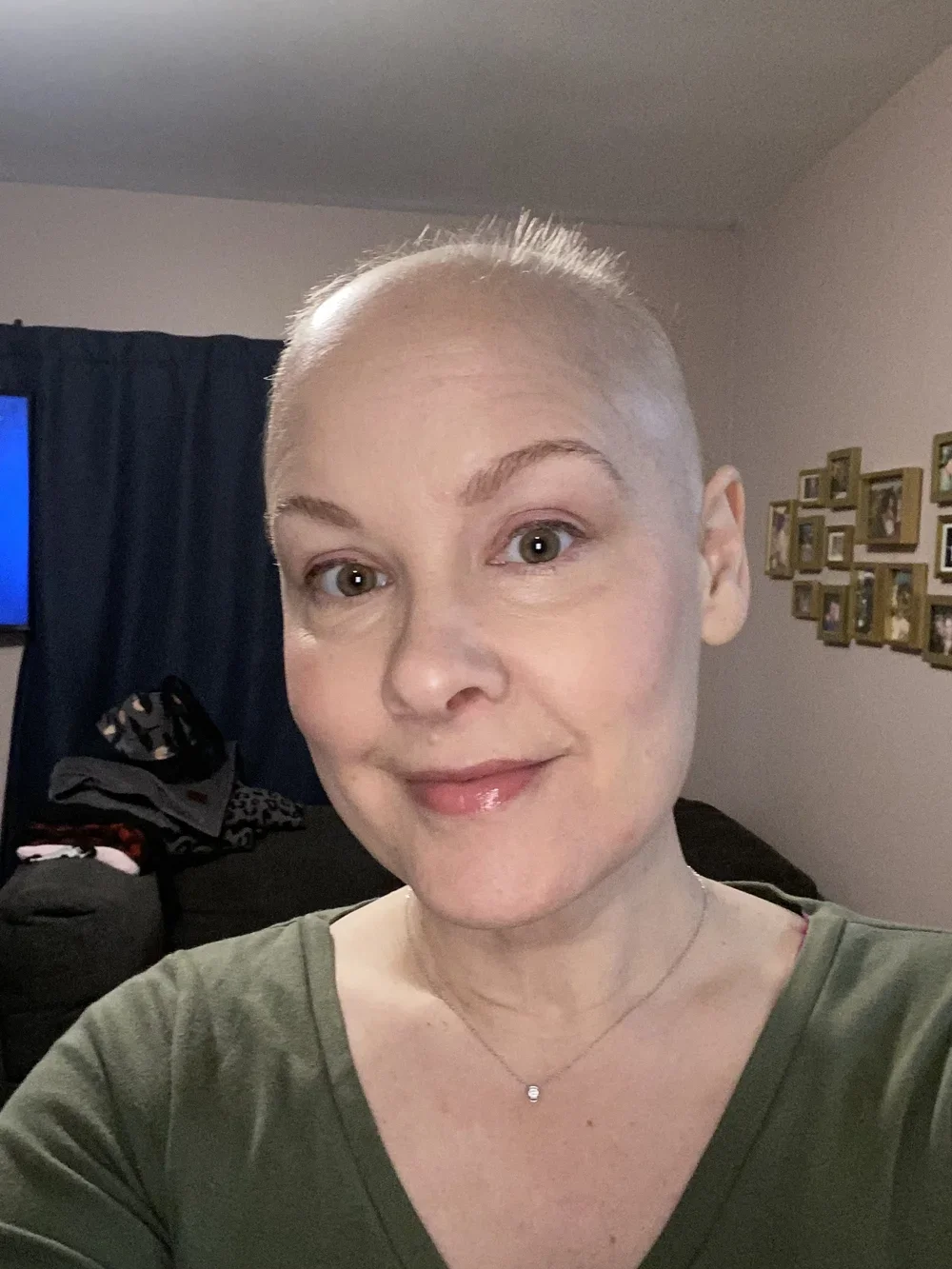
BRI G.
“Last summer, at 41 years old, I learned I was BRCA1+. While I did have a family history of breast cancer, there was no family history of ovarian cancer. Due to my age, my doctors recommended prophylactic removal of my ovaries and fallopian tubes, and I scheduled an appointment with a gynecological oncologist to discuss surgery. Starting around this same time, I could feel ‘something’ (not pain, just ‘something’) near my right ovary. I didn’t have any other symptoms - no bloating, no heartburn, no period changes. Due to my high-risk status, my gynecologist took this seriously and did a transvaginal ultrasound…
-
which disclosed a small cyst. A CA-125 blood test result was in the normal range, so cancer was not expected. Three months later, during what I thought was prophylactic surgery, my surgeon discovered I had HGSC stage 3A ovarian cancer. The known cyst had grown as had my CA-125.
Following surgery and diagnosis, I had five sessions of chemo. The journey has not been easy, but I am amazed by the resiliency of the human body. One thing that has really improved my quality of life during treatment is keeping moving. No matter how sick I feel, getting up and taking a short walk always makes me feel better. Also, when I found everything so overwhelming and felt like I was spiraling, I set a rule that I was only allowed to worry about my next step in the journey. I told myself, “don’t think down the road to ‘what if it comes back’, just focus on the next step.”
I couldn’t believe how fast the situation from genetic testing, to the cyst, to surgery, to cancer escalated, but I’ll be forever grateful to my cousin who shared her genetic test results. If I hadn’t known I was at risk for a genetic mutation and gotten tested myself, I’d likely still have cancer unknowingly spreading through by body.”
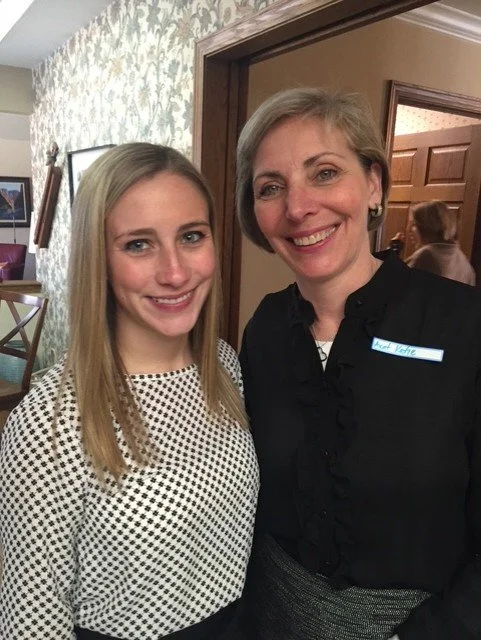
Katie MusSIO
“My mom, Katie Mussio, died from ovarian cancer in September of 2017 at the age of 57. In early 2016, she was complaining about bloating and having stomach issues. She was someone who was always diligent about her health - regular checkups, saw a few specialists, exercised, and took care of herself. When she went to the doctors with these symptoms, the doctors told her she likely had IBS. She had vacationed in Costa Rica so the doctors wondered if she picked up some sort of parasite there. She didn't get any answers, but she kept pushing…
-
Finally, she got a colonoscopy the day after Thanksgiving in November of 2016. She did not have IBS - cancer had spread throughout her peritoneal and was pushing on her colon. She was diagnosed officially in December 2016 with Stage IV ovarian cancer. In January 2017, she had surgery to take out multiple organs and start chemo. The intense surgery combined with chemo and aggressively spreading cancer quickly deteriorated her body. On top of this, her eyesight began to fail for reasons the doctors could not explain. This was especially heartbreaking because she was an artist. Despite all of this, my mom was positive, loving, and incredibly brave until her last breath.
The doctors estimated that she had cancer for years before she had the symptoms that sent her to the doctor, and it took over nine months to get a diagnosis. In fact, at various points, the doctors had reassured her that they did not think her symptoms pointed to any serious issues. I hope one day there is a preventative screening - for ovarian cancer and for the many other "silent until it is too late" cancers. Do not ignore your body when you feel something is off and do not be afraid to advocate for yourself in the medical system.” - Emily M. H.
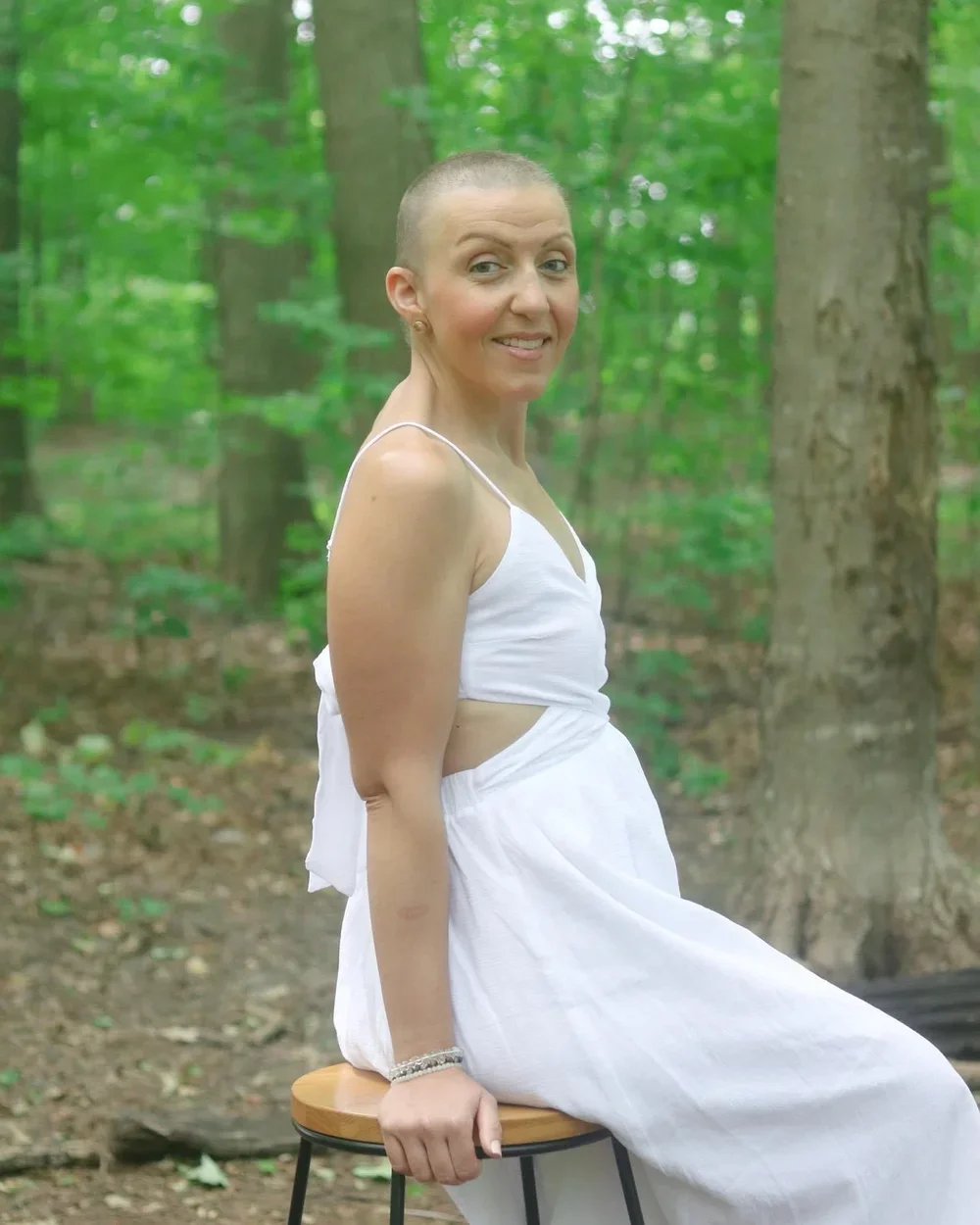
Rosanna
“I was experiencing bloating and minor cramping, so I called my family doctor and she sent me for an ultrasound. The ultrasound showed a large tumor on my ovaries and I was sent to the ER immediately for a CT scan, which confirmed it was cancer. I actually had two tumors, one on each ovary, and ascites build up in my abdomen. My medical team recommended a full hysterectomy. During my surgery, the surgeon also took a portion of my intestine for pathology so I had an ostomy bag for 8 months which was then reversed. About 6 weeks after my surgery I began my six rounds of chemotherapy…
-
Once I had my ostomy bag removed I ran into many complications which resulted in numerous hospital visits due to bowel obstructions. Since August 2021, I have been taking Lynparza and have be prescribed to take it for 2 years. I continue to be monitored by my oncologist through monthly bloodwork and CT scans every 3-6 months to check for any recurrence or evidence of disease.
Genetic testing also revealed that I am BRCA1 positive. I’ve decided to have a preventative double mastectomy later this year. Recovery for me has been challenging at times, but I have had so much support along the way.
It has been helpful for me to talk about my cancer journey and I hope that sharing my experience will help someone else one day. I have an Instagram page dedicated to making cancer not so scary and negative. I was also so proud to have organized my first cancer walk last year which raised over $10,000 for the Canadian Cancer Society! This year I am hosting a live workout class to raise money for a charity "Vaughan in Motion" which is affiliated with the Vaughan Cortellucci Hospital. Every year I hope to host a fundraiser not only to help raise money but to bring awareness to others about cancer and my journey.
My tip is don't let what you cannot control take away from living your life to the fullest.
Follow Rossana on Instagram @allthatcancer.”
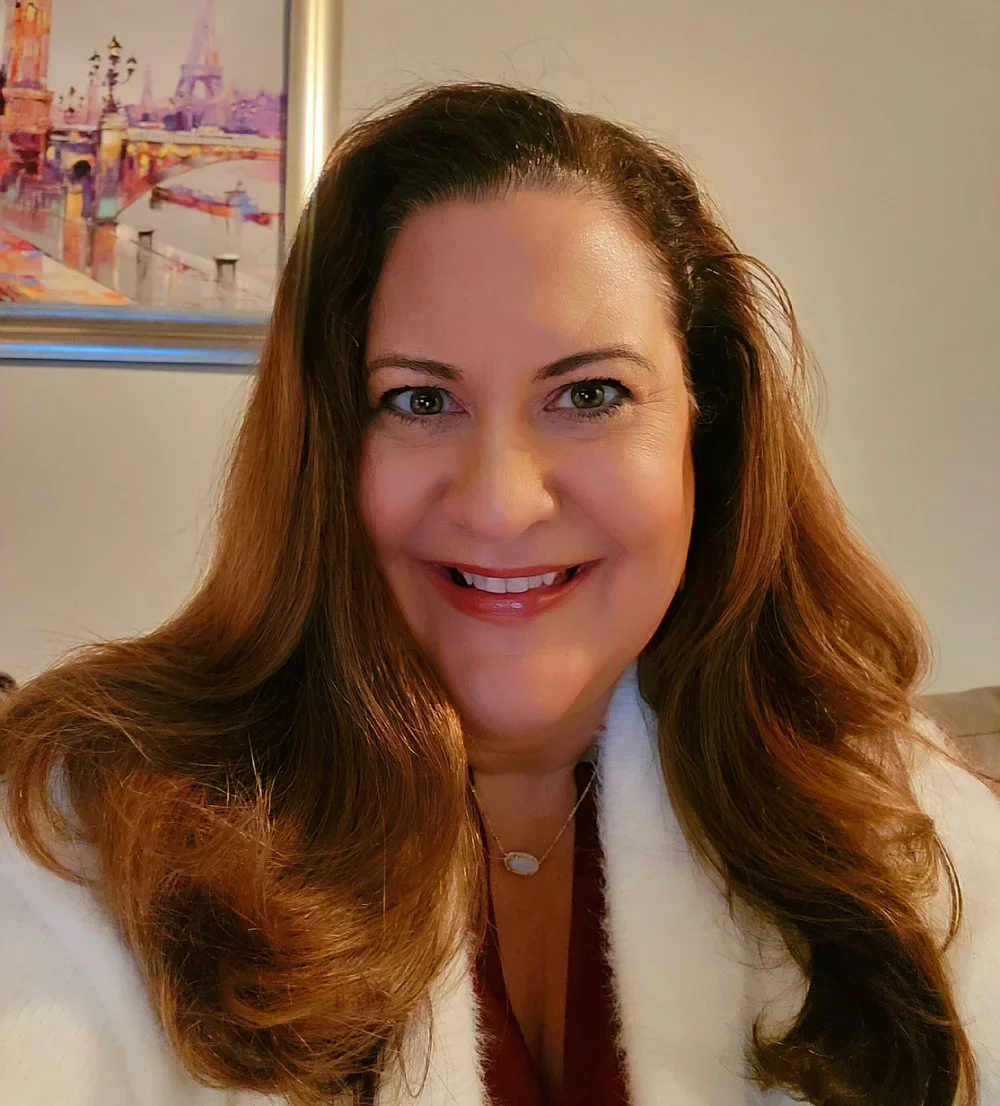
ANNE MARIE
“I was experiencing frequent abdominal bloating, irregular periods and cramping. I sought medical attention numerous times without answers, until one doctor finally asked about my family history. My mother and other family members had Uterine Cancer, and then genetic testing found I had a genetic condition called Lynch Syndrome MSH6. A uterine ultrasound showed a large tumor on my left ovary and surgery was quickly scheduled. During the surgery, a biopsy of the tumor came back as Clear Cell Carcinoma. The surgeons completed the full debulking procedure and removed all my lymph nodes. I was diagnosed as...
-
1A Clear Cell Ovarian Cancer. Because I was diagnosed at such an early stage, I did not undergo chemo. Still the recovery from the radical debulking was a long process with pelvic floor therapy as well as going through surgical menopause.
Through my diagnosis and treatment, I learned to always be an advocate for myself. If you think something is wrong, keep asking questions until you get an answer.”
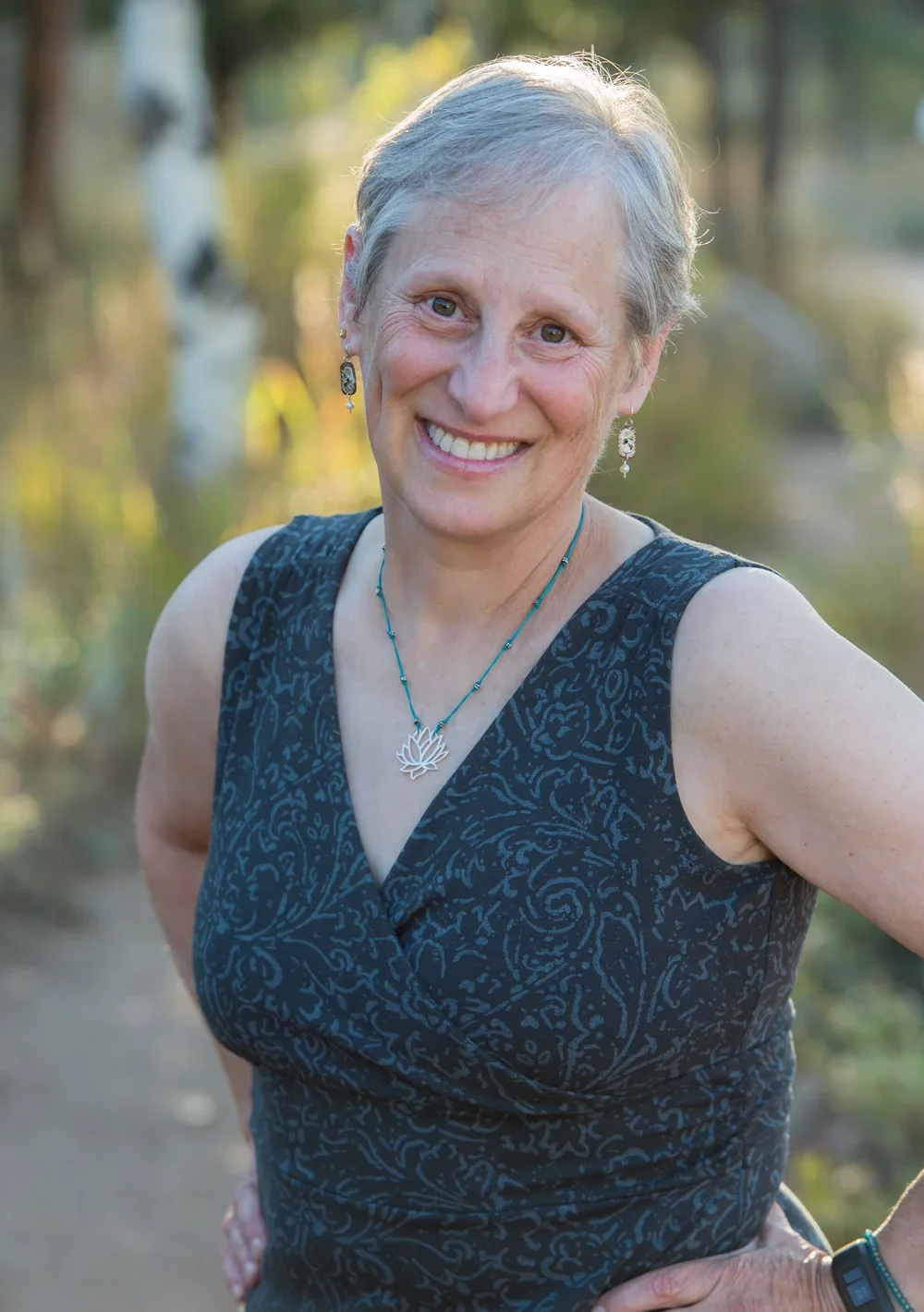
DEBORAH BINDER
“In May 2009, around my 50th birthday, I went to see my primary care physician for a routine annual physical exam. I told her that I thought I was starting menopause because I had irregular and heavier periods and I was gaining weight (without any change in my diet or exercise routine.) She thought that I was going into menopause, and she did a typical annual physical exam including a pelvic exam. She did not notice anything abnormal about my ovaries or uterus when doing the pelvic exam, but she decided to send me for a vaginal ultrasound anyway (which is very unusual for a primary care physician to do.) The ultrasound revealed that both my ovaries were enlarged to the size of grapefruits and that I had complex cysts. My physician sent me to see my gynecologist for further follow up…
-
My gynecologist advised me to have a complete hysterectomy as soon as possible and she had a CA-125 blood test done. It came back at 76—normal is anything under 30. She believed that I had ovarian cysts but did not suspect cancer. She told me she would have a general surgeon assist her with the operation. A family friend, an OB-GYN, reviewed my test results and urged me to get a second opinion with a gynecological oncologist—a specialty that I did not know existed. She said she wouldn’t even do this surgery and that by having a gyn-onc do it my outcome would be at least 33% better. Fortunately, I was able to see this specialist before my already scheduled surgery. She immediately agreed to take my case and scheduled surgery for the following week. This doctor confirmed that I had complex ovarian cysts but said that she could not determine if there was any malignancy until my surgery. Urging patients to see gynecological oncologists is one of the most important things that can be done to save women’s lives.
During surgery it was discovered that I had High Grade Ovarian Cancer Stage IIc, which means that I had some ascites in my abdomen and cancerous cells were found on my fallopian tubes. I was completely debulked in the pelvic area (ovaries, fallopian tubes, cervix, omentum, and uterus are removed and the entire abdominal cavity and organs are washed to remove cancerous cells). Three weeks after surgery I started a chemotherapy regime of Taxol and Carboplatin. I had treatment all day every for three weeks. It was hard on my body—I became anemic, had to have blood transfusions and experienced a level of fatigue that I never knew existed. I saw an acupuncturist on a regular basis throughout chemotherapy to help with these problems.
My CT scans have been clear and my CA-125 remains normal at 8-12. Halfway through chemo I had genetic counseling and decided to take the BRCA1 gene mutation test. I tested positive—most likely because of my Eastern European Ashkenazi Jewish heritage. There is a history of breast cancer, pancreatic cancer, colon cancer and brain cancer in my family. My older brother died from a Glioblastoma and while I am the first in my family to test for the BRCA1 gene mutation, I am sure that he had it as well. They are finding links to the gene mutation in other cancers now. As a result of my BRCA1 status which gives me a 50-70% chance of getting breast cancer, I decided to have a prophylactic mastectomy and breast reconstruction. That surgery took place in December 2010.
I have become an advocate for Ovarian Cancer patients and survivors. I participate in clinical trials for OVCA survivors. I teach yoga and mindfulness practices at yoga retreats for cancer survivors. I have participated in OCRA’s Survivors Teaching Students program at the University of Washington Medical Center. I am a peer mentor for Immerman’s Angels and Sharsheret—helping other women navigate their OVCA journey. I serve as a Survivor Ambassador for the Clearity Foundation, and as a peer reviewer for the Department of Defense’s Ovarian Cancer Research Program. I will be attending the 2023 Annual Meeting of American Association for Cancer Research as part of the AACR Scientist↔Survivor Program and as a representative of the Powell-Drescher Ovarian Cancer Research Foundation. I want to utilize my survivorship in a way that will have an impact on discovering effective tests for early diagnosis and treatment of Ovarian Cancer.
Here is a video that I created to help bring awareness to the importance of genetic testing.
I celebrate my 14 year “cancerversary” in July, 2023. I hope one day that a cure is found for Ovarian Cancer. Right now I am “dancing with NED” and every day I learn to live with my “new normal.””
Randalynn
“I don’t think anyone is prepared for the call when it happens. I can still hear mine as clear as day. “I’ve been trying to figure out all morning how to tell you this… you have ovarian cancer, it’s aggressive, we need to get you to an oncologist quickly.” I was 36 years old. I was a healthy, single mom of two young children. This can’t be happening to me….
-
Looking back, I should have known I was sick. I was beyond exhausted, losing weight, and unable to eat. I’d had lower back pain and heartburn for a few months prior to being diagnosed. The pelvic pain and UTI-like symptoms didn’t start until a couple of weeks prior. I went to the ER for a UTI I couldn’t shake, and they discovered two large masses on my ovaries.
It wasn’t until a week after surgery performed by my OB/GYN to remove a “dermoid cyst” that was no big deal that I found out I had high grade serous ovarian cancer. The news came by telephone while my mom was out grabbing me lunch, as some of my appetite had started to return.
How had I gone this many years without knowing that anyone with ovaries can be diagnosed with ovarian cancer? You don’t have to be a certain age, race or ethnicity, you simply need to have a pair of ovaries. I knew nothing about ovarian cancer at the time, except that more times than not, the prognosis wasn’t good. How was I going to beat this? I needed to be here for my children.
Within two business days of hearing those words, I’d meet with my lead oncologist. Four days later, I was undergoing a full debulking procedure where they’d preform a full hysterectomy, including cervix, remove my omentum, and thoroughly check the rest of my abdominal cavity, including my bowels. I would be left with a 13” incision down the middle of my abdomen, in full fledged menopause, hanging on to the words my oncologist would tell me – “I think we got it all, it appears to be an early stage diagnosis.” Two weeks later I’d learn that despite only having an 18% chance of being diagnosed in the early stages, I was one of the lucky few. I’d also learn that I had endometrial cancer as well, resulting in us deciding that six rounds of chemotherapy (a combination of Carbo and Taxol) would be needed versus the four that we had once contemplated. On July 3, 2017 I would receive my N.E.D report. To date I’ve been fortunate and recurrence free (someone knock on some wood for me!).
Often times I’m asked two things immediately when someone hears of my diagnosis: “Were you not going to your annual exams?” and, “Do you have a genetic mutation?”
Their reaction to my answer to the first question is one of shock, and I’m sure I looked the same – your annual exam doesn’t screen for ovarian cancer, and there is no preventative screening test in place at this time. And, yes, I do have a genetic mutation, but unfortunately at this time we don’t know exactly if or what cancer(s) it may be responsible for. Not only do I carry it, but so does my father and his mother. Each of us have been diagnosed with a hormone related cancer, and because of that, I opted to have a preventative bi-lateral mastectomy 18 months after my initial diagnosis.
The diagnosis changed my life. It made me realize how lucky I was to have been diagnosed in the early stages, and it woke me up in a way nothing else could have. It made me a stronger person than I ever knew was possible and it has given me a voice that I won’t stop using until more women stand a fighting chance against this disease. Creating awareness is key, the majority of women don’t know the signs and symptoms of ovarian cancer. Over the past year I’ve been fortunate enough to partner with my friend and fellow survivor to chat weekly about navigating life after a cancer diagnosis on our podcast, Sips with Survivors.
I don’t think I’d be the person I am now without being diagnosed 5 years ago. You learn that life is about perspective – if it’s not life or death, or going to matter in 5 years, let it go, move along. I’ve lived more fully in the last five years than I had in the years prior to being diagnosed – summiting two fourteeners in Colorado, crossing the Grand Canyon from Rim to Rim, Everesting state-side, completing a Century Ride for cancer research, just to name a few. Why didn’t I do all of these things before? Because I didn’t think I could. But once you face cancer and go through all that it entails, you realize you can do just about anything, so you try, and you allow your adventures to grow.
You can find Randalynn on Instagram @randalynn_fv.
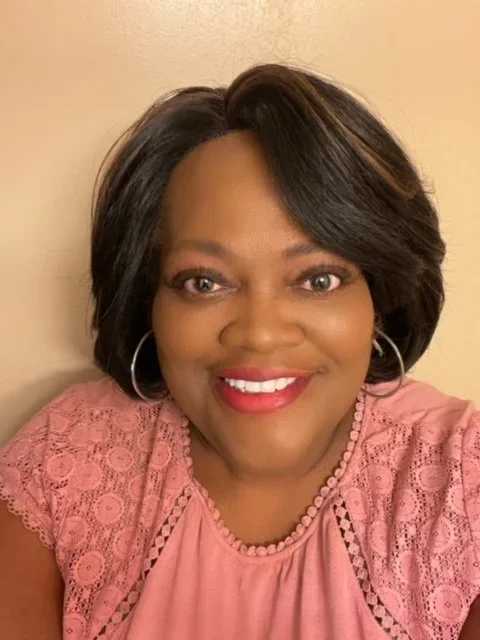
Kimberly Richardson
“Kimberly Richardson, a single mother of twins, has always been adventurous and active, participating in triathlons and marathons. So when she experienced extreme fatigue while training for the Chicago Marathon, she knew something was wrong. She says, “I would do my ten-mile run on the weekends. I would start out around six and be done by nine or ten o’clock. I would be home by eleven and I wouldn’t wake up until it was dark outside. I was like, ‘Wow, my body must really be taking a beating.’ But then it became more pronounced throughout the week where I was at work and I couldn’t keep my eyes open…
-
Kimberly became worried when she fell asleep at the wheel in bumper-to-bumper traffic, prompting her to make a doctor’s appointment. After a series of tests — “the whole nine yards” — an abnormal pap smear and subsequent vaginal ultrasound revealed what her doctors thought was an ovarian cyst. They scheduled a routine surgery to remove it, but Kimberly would soon receive a life changing diagnosis.
“I get there bright and early to do the surgery. When I wake up it’s dark outside and the head of gynecology is tapping me on my shoulder saying ‘Kimberly, it’s cancer. We’ll talk about it when you wake up.’”
This rude awakening left Kimberly in shock, and the way that her doctors handled the situation did not help. Of the head of gynecology, who had reassured Kimberly that she just had an ovarian cyst, she recalls, “Three weeks later he couldn’t look me in my face. He wasn’t able to say, ‘I was wrong.’ The way he handled it let me know how personally he took it. I remember him not even sitting down. He just walked in, stood right by the door, looked at his shoes, and he couldn’t get out of the door fast enough. I had questions, but I never had any opportunity to talk to him.”
Kimberly describes this interaction as the first disconnect from her medical team. Learning that she had to have chemo following her full hysterectomy, she was put under the care of the gynecological oncologist who had undertaken her surgery. “I didn’t have a great relationship with my gynecological oncologist. I asked a lot of questions and she wasn’t the type of person who appreciated that. She tried, in her responses, to be as rude and abrupt as she possibly could.”
“I came into her office and I said, ‘I’m looking at this prescription for this chemo that you want me to do, BEP. I don’t get it, I don’t understand. You told me that I have this rare form of ovarian cancer that’s very slow growing, and I understand that this chemo only works on fast growing tumors. So why am I taking chemo when I don’t have a fast-growing tumor? And besides, this chemo is really aggressive and harsh. I don’t know if it’s right for me in particular because I have a slow-growing tumor.’
“She looked up at me and she went, ‘Well, do you want to live? Then you need to do what I tell you. BEP is better.’”
In shock, Kimberly went along with the prescription, which involved aggressive chemotherapy treatment three times over the course of one week. The day of her third treatment, Kimberly came in with a dangerously low heart rate caused by the chemo. She was hospitalized for three days, and more uncertain than ever.
As she got ready to be discharged, Kimberly’s gynecological oncologist came into the room. “She came with a few students. I just knew in my heart, now we’re going to have a better conversation. This stuff almost killed me. Now you’re going to start listening to me. You’re going to start hearing me when I tell you about the things I’m afraid of or I’m concerned about. No, she walked right in and went, ‘Wow, this would make a great journal article.’”
Eight years later, and with no ovarian cancer recurrences, Kimberly has come to terms with their fraught relationship. She says, “What she didn’t have in terms of bedside manner she made up for with impeccable knowledge and she applied that knowledge in my surgery. She’s in a field where there are no answers. We still don’t have a diagnostic tool for ovarian cancer. There’s no way to test it. There’s no way to validate it. There’s no way to know if treatment plans are going to work. Ovarian cancer is super, super tricky. I would like to think that almost a decade later she’s more mature and that she’s had enough patients to correct her behavior and is more compassionate.”
Now, Kimberly runs the nonprofit Black Cancer Collaborative, putting her vision of ovarian cancer advocacy into practice. As a Black woman, she didn’t feel welcome in the advocacy space when she first got involved — a space that is primarily made up of white women between 45 and 65. She says, “It’s hard to be welcomed into that population of people when they represent a microcosm of America.”
Kimberly is taking a new approach to awareness and patient advocacy work in order to create better experiences for ovarian cancer patients through advancements in the field that her doctor did not have. She advocates for medical knowledge and awareness because she’s noticed that, “as advocates, we don’t step outside of that box of sharing our story. I’d love to see advocates do more by creating educational modules or working with researchers to create those modules. I do a lot of that work now, and I just wish that our advocacy organizations would do more to educate the survivor as well as the recently diagnosed.
“We don’t have all of the answers, but we do have enough anecdotal information that we could share with you to not only empower you and help you make critical decisions, but also to give you hope. Because there are people like me who are eight years out and could talk to you about immunotherapy, if you wanted to know, but also could tell you, ‘I’m still here.’
“Let’s do more to share our story. If we’re going to be true advocates, advocate for research intelligently.”
You can find Kimberly on Twitter@KDRichardson924 and on LinkedIn. Her nonprofit is on Twitter @BlackCancerCollab1 and on LinkedIn and Instagram as Black Cancer Collaborative.
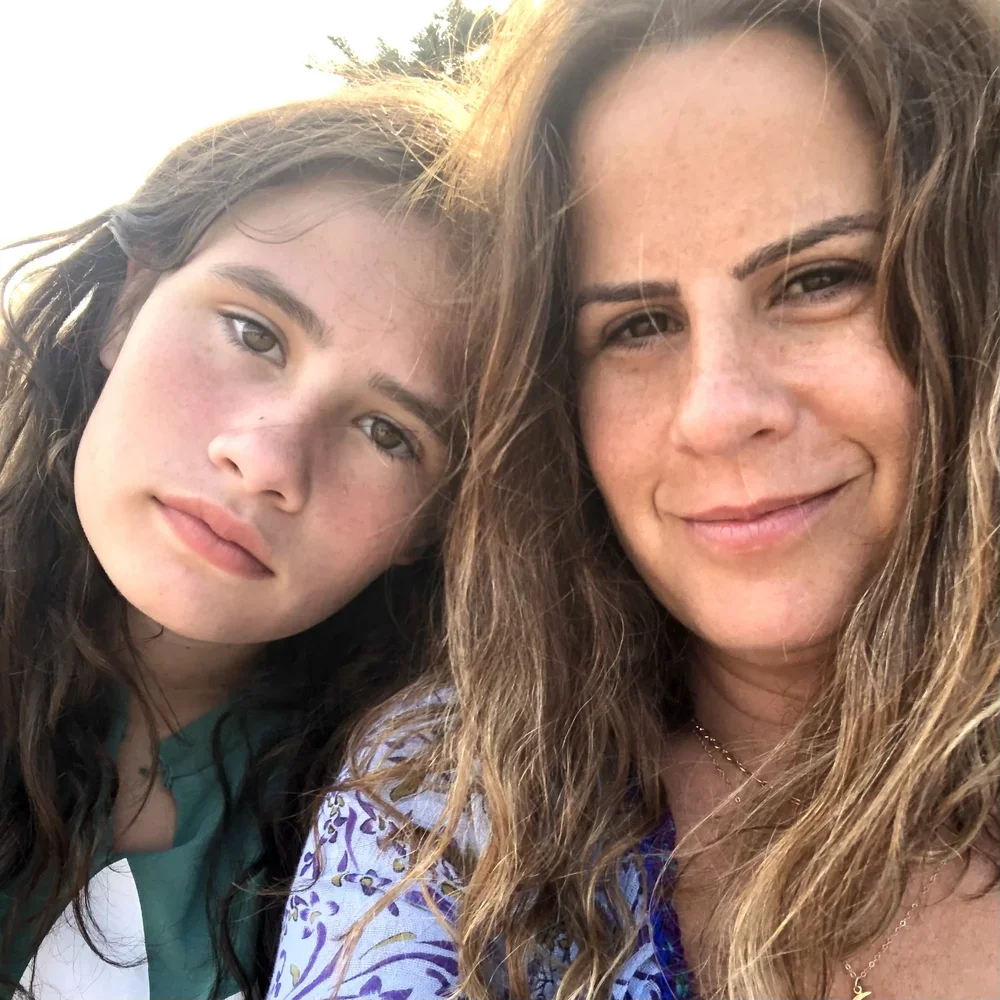
Erin Konrath
“When Erin Konrath was diagnosed with ovarian cancer, she was 45. A mother of four tweens and teens (2 boys and 2 girls), a photographer running her own business, and just crazy life in general kept her busy. So busy, in fact, that she didn’t think twice when she started experiencing what she thought were peri menopausal symptoms.
“Looking back on it,” Erin recalls, “the symptoms were actually kind of classic ovarian cancer symptoms, but they are so similar to what woman experience hormonally.” …
-
It wasn’t until after her diagnosis that Erin realized she hadn’t been eating as much as she normally would, felt as though she had a UTI without pain, was constipated, and exhausted — “bone tired.”
She brushed aside a lot of those symptoms to just getting older and honestly didn’t even give much thought to the others until one night, walking to her car for work, she broke her foot. “So that made me slow down,” she says. “I was on the couch for a week. Do I ever lay on the couch? Never.”
During her recovery from her broken foot, she noticed a spot in her abdomen that felt strange. “Every morning I would wake up and my hand would go straight to that place and I would kind of push in and be like, ‘What is going on here?’ The more I would dig in the more it would hurt. I knew something was off. Something was not normal.
Erin decided to get the spot checked out at urgent care before a trip to New York. After an exam, the doctor told her, “If you were my sister, I would send you to the ER right now. Like right now, go, right now.”
Shaken, Erin walked to the emergency room on her broken foot, where they gave her a CT scan. Then, all alone in the emergency room, the ER doctor told her that she had ovarian cancer. “That part was extremely traumatic,” she says. “To be by yourself and hear that news completely out of the blue -. I was mortified. It was horrific the way I found out.”
Erin had surgery scheduled within three weeks of her diagnosis to remove the grapefruit-sized tumor on her right ovary. She and her doctors were hopeful that it wouldn’t be cancerous, but when she woke up from the surgery, she was told that she’d had a full hysterectomy and that she had endometrioid and clear cell ovarian cancers. Although she was diagnosed in stage 1A, Erin decided to have three rounds of chemotherapy, carbo and Taxol.
During her treatment, Erin cold capped, freezing her hair follicles and saving her hair. She says, “it was really good for my four kids not to see their mom bald. I feel like it helped them through the process.”
Today, Erin is living with no evidence of disease, but she is passionate about sharing the mental toll that the experience has had on her. “I definitely suffer from PTSD, and I’m not ashamed to say that. I’m very passionate about the whole mental health aspect of post-cancer. I think there needs to be a lot more support around what happens after.”
A contributing factor to her PTSD, Erin says, is the abrupt and inappropriate way she was given her diagnosis. Due to her experience, she is now involved in Survivors Teaching Students, a program run by OCRA in which survivors teach medical students about ovarian cancer by sharing stories of diagnosis, treatment, and survivorship.
“Physically, I feel good. Mentally, I’m still struggling. But I’m doing things like yoga, talk therapy, and focusing on my nutrition to help me feel better mentally. Just talking about things and being open helps.”
Erin is back to running her successful photography business, and you can find her on Instagram at @erinkonrath.
Donna Rosin
“My name is Donna Rosin. I have always considered myself very healthy. I rarely got sick. I was exercising daily, I ate well, and had only been in the hospital for the birth of my 3 children. In 2010, when I was 44, I noticed I was tired. This seemed normal with three children, two dogs, a house, a husband, and an active social life. In May, I noticed two enlarged lymph nodes in my groin. I went to the doctor, and I remember his exact words…
-
"I see this all the time...only one of every thousand enlarged lymph nodes ends up being something serious." Being a healthy person the thought of “something serious” was not even a possibility.
The news came that the lymph nodes were a symptom of metastatic ovarian cancer. My world came to a standstill. After blood tests, scans, and meeting a gynecological oncologist, the reality of a cancer diagnosis was beginning to sink in. However, it was surreal.
My gynecologic oncologist had a straightforward plan. I was to have surgery, leave the hospital a few days later, rest, and then start chemotherapy. I felt strong and brave. I felt like a warrior. A warrior who was going to do anything to get back to my good life. I was also so scared as everything was uncertain. I was diagnosed with stage 3C ovarian cancer. I was in the hospital for 10 days with unexpected complications and by the time I got home, my “healthy” body was thin and weak.
I had frontline chemotherapy and my body responded to the treatment. Physically I was miserable; however, I persevered by accepting daily help, weekly meals, and rides for my kids. My community rallied around me to the finish line. I remember feeling that I had conquered the biggest challenge of my life and having survived, I felt there was no way the cancer would come back. I thought I would just move on, sweep this chapter under the rug, and get back to my "good life!”
What I did not realize, is that my “good life” would never be the same because I was not the same. In fact, my mental recovery was harder than my physical one. I was different and I had to begin to examine how I was going to incorporate ovarian cancer into my life.
My cancer story did not end there. Eleven months after frontline treatment I was again starting chemotherapy. I spent the next three years receiving many different chemotherapy agents to treat my persistent disease. I thought I would always need to be on some form of chemotherapy to keep my cancer stable. It was not until I had a second surgery, in 2014, to remove a cancerous lymph node, that I have been healthy.
After my diagnosis, I found out I have the BRCA mutation. There was no history of breast or ovarian cancer in my family. My mother died of pancreatic cancer and testing was not available at that time. My father passed along the BRCA mutation to me. While this was surprising, I have had the opportunity to share this valuable information with my family and potentially spare them a cancer diagnosis.
Through the Ovarian Cancer Research Alliance, I am a facilitator for the Survivors Teaching Students program. The program provides educational presentations to health care professional students, communicated by survivors. Without a screening tool or early detection test, it is important that health care professionals have ovarian cancer on the list of differential diagnoses for patients. We also share our powerful stories which help solidify our message. I am a mentor for many patients providing empathy, understanding, and insight into navigating this disease. Lastly, I volunteer at the Northwestern Cancer center as a greeter.
I have been lucky to have a great team of family, friends, health care professionals and other survivors to support me. I am healthy now and I also know the reality of recurrence. I have learned to live life with the appreciation of today's good health and have hope that tomorrow will be the same. In the last 12 years I have been present in my life events both big and small. My ovarian cancer is one part of my “good life.” This perspective takes practice. I do not consider myself a survivor. I am in a process of surviving my life with the unpredictability of ovarian cancer.
You can find Donna on Instagram at @jonnarosinand on Facebook at Donna Lasin Rosin.
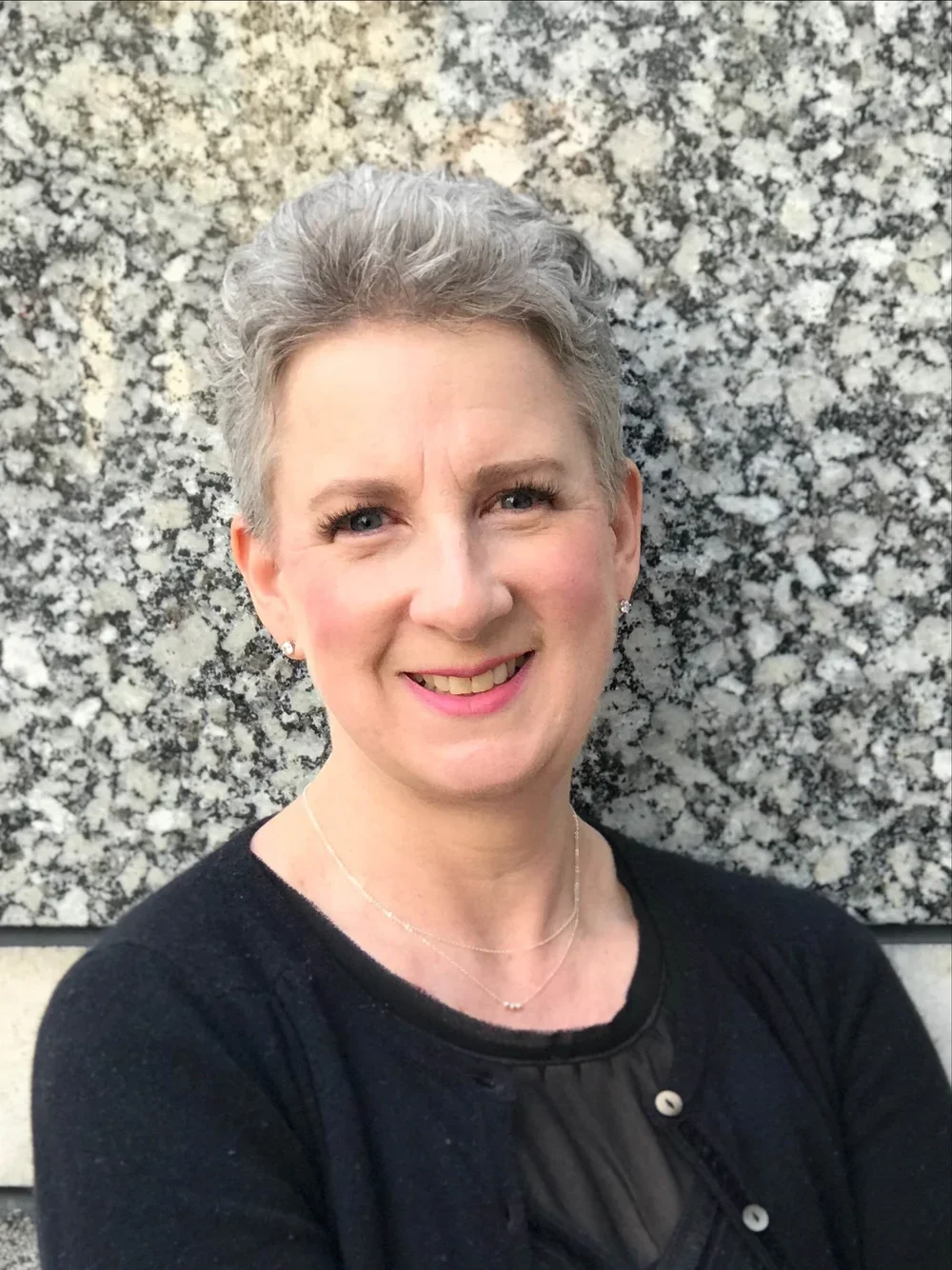
Sachia Stonefeld Powell
“Ironically, I started fundraising for ovarian cancer research six years before my own diagnosis – prompted by the keynote address of a gynecological oncologist. In 2017, that fundraising effort became personal when I was diagnosed with ovarian cancer, and the keynote speaker became my oncologist.
After I emerged from chemo, I discovered two things. First, that ovarian cancer has a low survivor rate, and yet ovarian cancer research has been – and remains – critically underfunded…
-
And second, that many researchers won’t ever meet a potential beneficiary of their career-long efforts. I set out to raise as many funds as I could, and to collaborate with scientists to provide the unique and indispensable perspective that survivors can offer, as well as to regularly express our collective gratitude for the work that they do.
And I discovered something even more profound: due to the relatively low number of ovarian cancer diagnoses, the low survival rate, and the grueling treatments, there are few people with the experience, ability, and interest to be survivor advocates. And like many ovarian cancer survivors, I keep losing my survivor friends. Therefore, I must be the voice of those who can no longer speak for themselves.
Because research funding and survivor-scientist collaboration are essential to saving lives, I established a foundation with my oncologist to accomplish both.
You can find information about the Powell-Drescher Ovarian Cancer Research Foundation, which intends to power the future of ovarian cancer research by endowing funds and championing collaboration between scientist and survivor, on Instagram and Facebook @powelldrescher. You can also find Sachia on Instagram and Facebook @sachiastonefeldpowell.
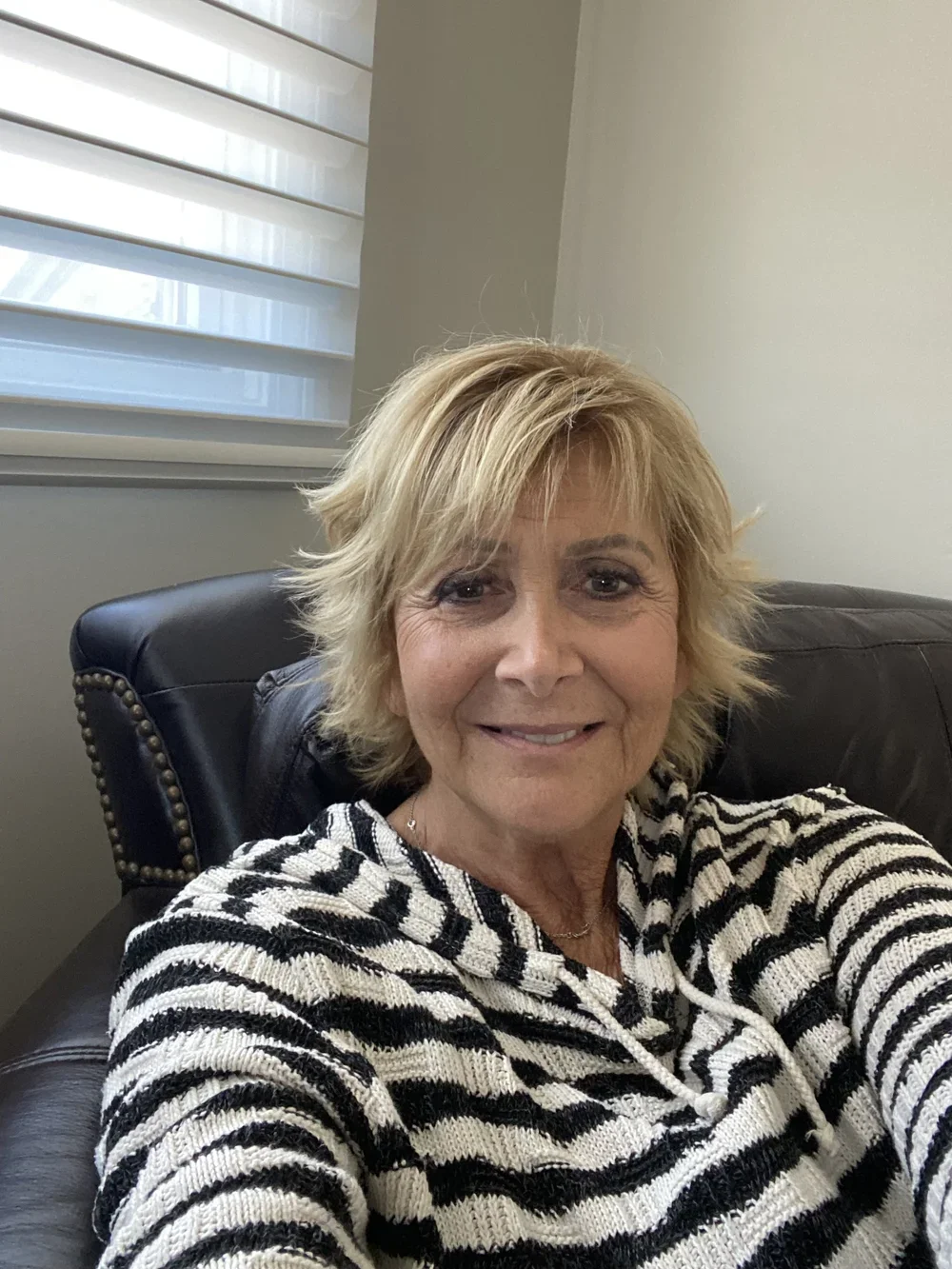
Susan Eisenberg
“In July of 2011, I was starting menopause, but my gynecologist wanted to bring on one more period to get a schedule going. All I had was some bloating, which we now know is a huge red flag. When the medicine I took did not bring on a period, my gynecologist got concerned and did an ultrasound that same day. She saw a mass and immediately sent me for some blood work. The oncologist that I saw said I had a 50/50 chance of ovarian cancer and my hysterectomy was scheduled. After that initial diagnosis and surgery, I received chemotherapy from August to December of 2011…
-
A quick round of radiation to knock out a recurrence in my clavicle and kidney ended in April of 2013 and I am happy to say I was nine years cancer free until 2020.
During the COVID lockdown, my body felt a bit off. In June of 2020, I had a small recurrence in my lung which was treated with a chemotherapy called Doxil. After that, they put me on a PARP inhibitor — Lymparza. I have been on Lymparza for 13 months. Ten years ago, PARP inhibitors were in the trial stages. Today, they are used more commonly as a treatment for ovarian cancer reoccurrences. 2022 also brought another small recurrence in my lung area that was treated with a state-of-the-art radiation called SMRT. Done and done! I have been so fortunate to see the growth and changes in the ovarian cancer medical field in just 10 years. It is so exciting to imagine the progress that the next 10 years will bring.
Times have changed. In 2011, when I was first diagnosed, I remember doing what I was specifically told not to do… searching the internet. It was gloom and doom for women diagnosed with ovarian cancer. One out of five were dying. Now, instead of reading gloom and doom, there is much more hope for women diagnosed with ovarian cancer. Things pop up and there are more options and treatments available.
Now, my life is great. I work out and take care of my grandchildren. I am navigating uncharted territory, but these recurrences are just forks in the road. This is the most important advice I can give — the idea of “forks in the road.” There will be some left turns and that’s where a support system must come into play. This is why I have chosen to become a mentor for other women with ovarian cancer. Sharing stories is incredibly cathartic and creates an everlasting bond. For me, my family and friends have helped me navigate through my reoccurrences. It would have been so much harder doing it without them. I am a firm believer that a village of people is essential, whether they are family, friends, neighbors, or even survivors online that are more than willing to talk and support.
The biggest issue I face is just waiting for the other shoe to drop. It can be a bit overwhelming, but that’s when my village comes into play. They help me deal with whatever test results are and wherever the next fork in the road is taking me.
My gynecologist saved my life in 2011. Her early detection and prompt attention caught my ovarian cancer at stage 2. I am so grateful to say I’m currently considered NED (no evidence of disease) and although I never thought I would have taken this is the journey, I’m thankful for the friendships and strength I’ve gained over the past 10 years.